
2026-09-08
Stop Guessing, Start Testing: 5 Tools for Diagnosing Car Issues
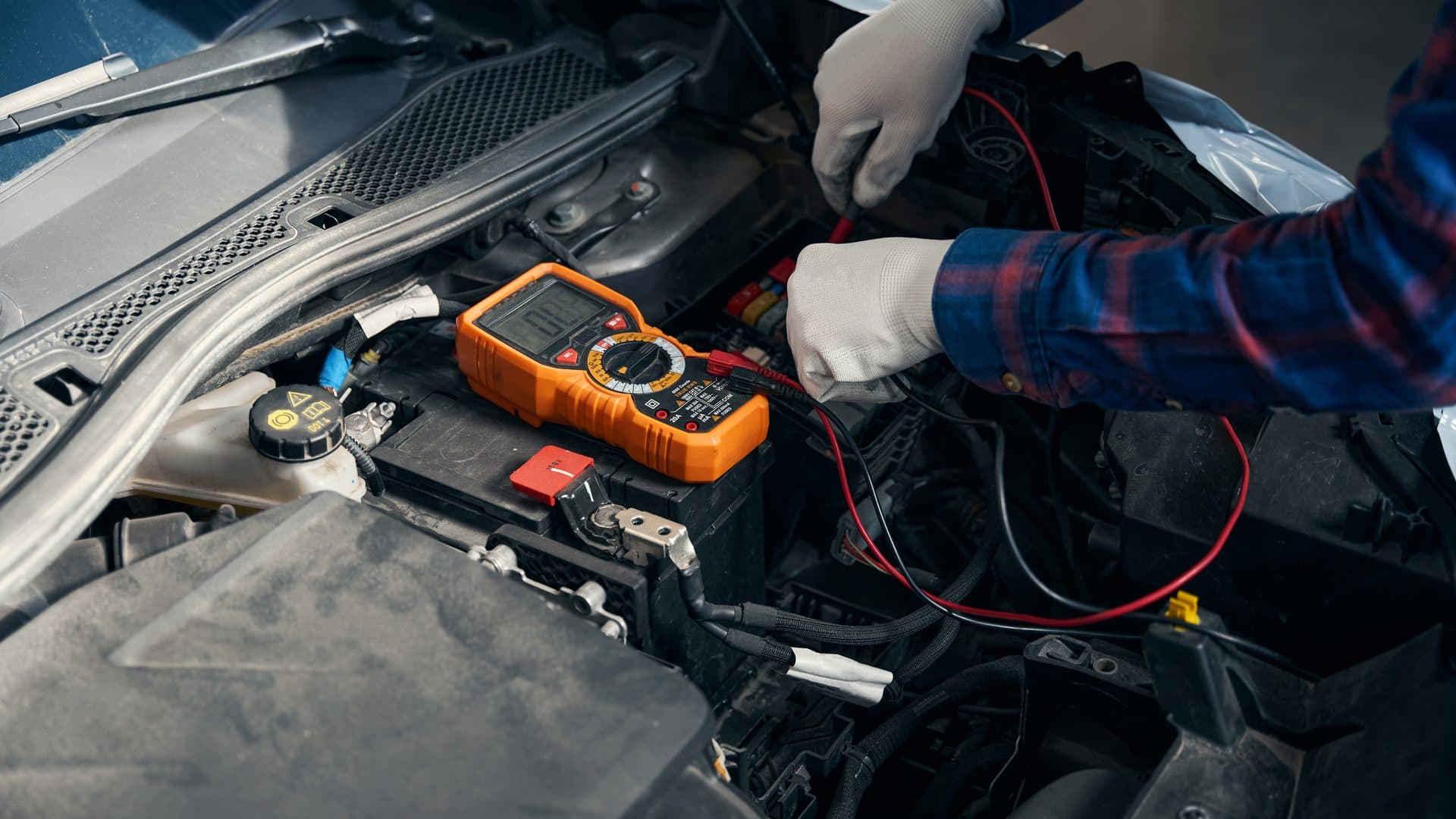
There is a massive difference between a mechanic who diagnoses a problem and a mechanic who simply throws parts at it.
When your car has a rough idle, a lazy technician might replace the spark plugs, the coils, and the fuel injectors, handing you a massive bill for parts you didn't need. A true diagnostician will test the circuit, pinpoint the exact failure, and replace only the broken component.
At Road Wrencher, our Guided Transparency model is built on proof, not guesswork. We don't guess what part is broken; we test it. Here are the five pieces of diagnostic equipment we use in the driveway—and the exact tools you can use yourself to stop wasting money on the parts cannon.
(Disclosure: If you want to build out your own diagnostic kit, the links below are affiliate links. We earn a small commission if you purchase through them at no extra cost to you.)
1. The Bidirectional OBD-II Scan Tool
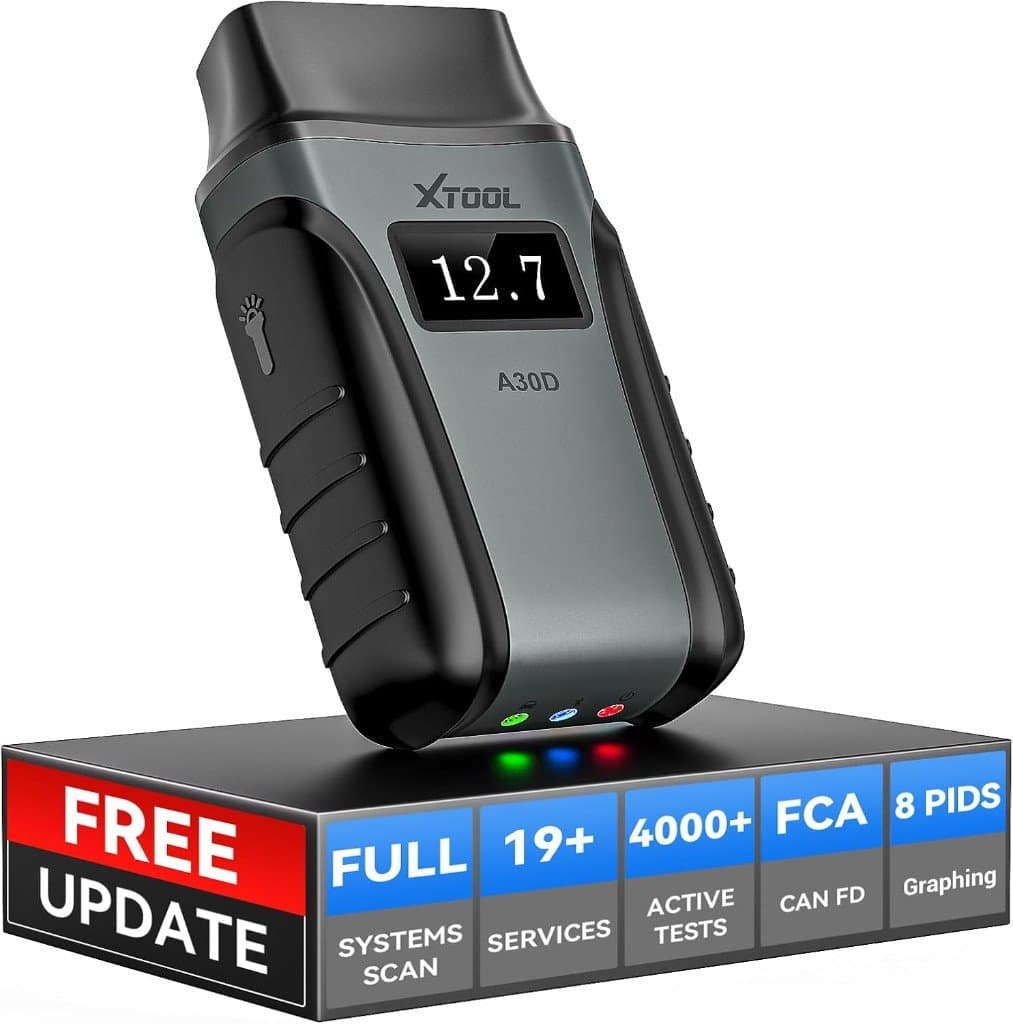
A cheap code reader from the auto parts store will tell you there is a "Cylinder 1 Misfire" (a P0301 code). That is just a symptom, not a root cause. Professional bidirectional scan tools allow us to talk back to your car's computer. We can manually command fuel injectors to pulse, activate cooling fans, or graph live sensor data while the engine is running to see exactly what the computer sees.
The Tool We Recommend: XTOOL A30D Bidirectional OBD2 Scanner
This is a more realistic entry-level bidirectional tool than a shop tablet. It still lets you command actuators and read live data without paying Snap-on money for functions you will use once a month.
2. The Digital Multimeter (DVOM)
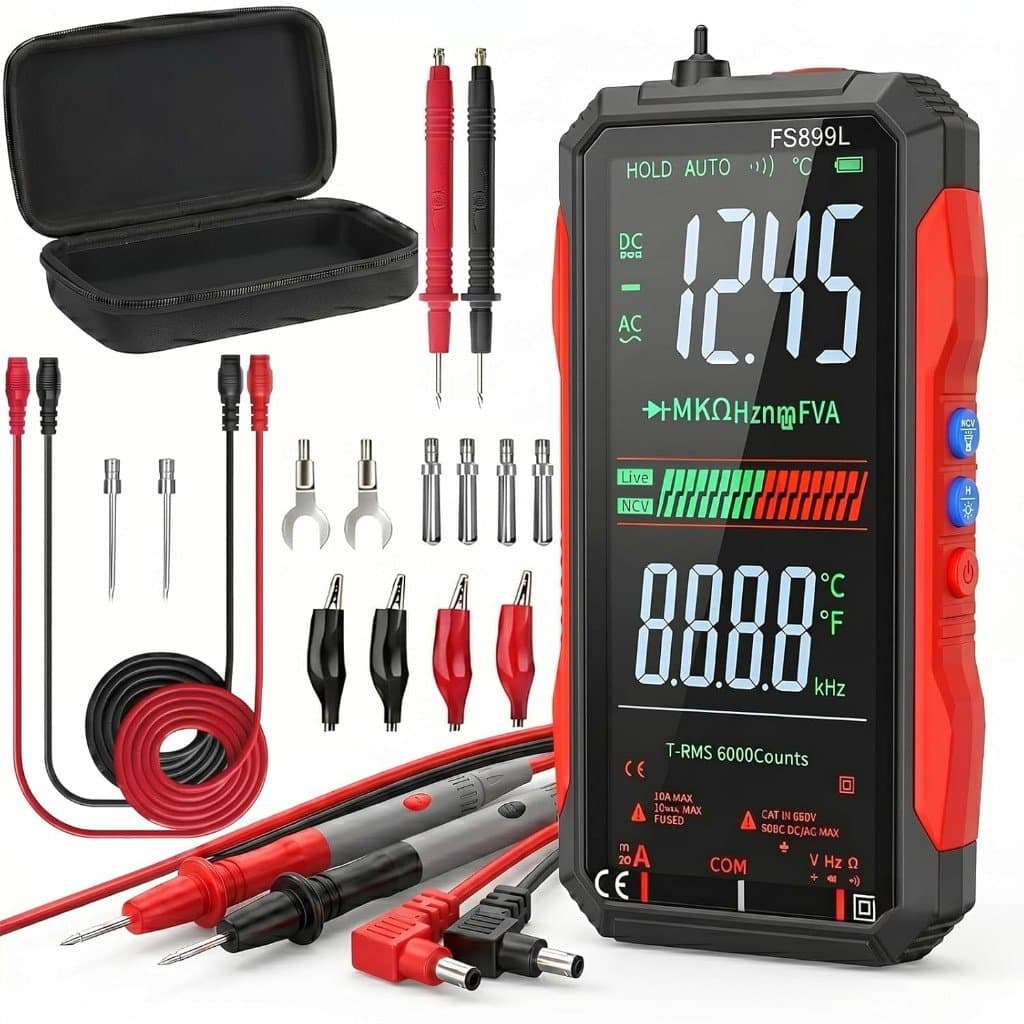
The multimeter is the foundational tool of electrical diagnostics. Before we ever condemn a pricey sensor, we use a multimeter to perform a "voltage drop test" to verify it is actually receiving a full 5-volt reference signal and a solid ground. A huge percentage of "bad sensors" are actually just broken wires or corroded ground connections.
The Tool We Recommend: 2026 Upgraded FS899L Digital Multimeter and 20-piece Silicone Test Leads Kit
The meter does the voltage-drop work. The kit is what makes it usable in a tight engine bay: 20 silicone leads in the lengths and clips you actually reach for, so you are not improvising with one pair of brittle probes.
3. The Power Probe
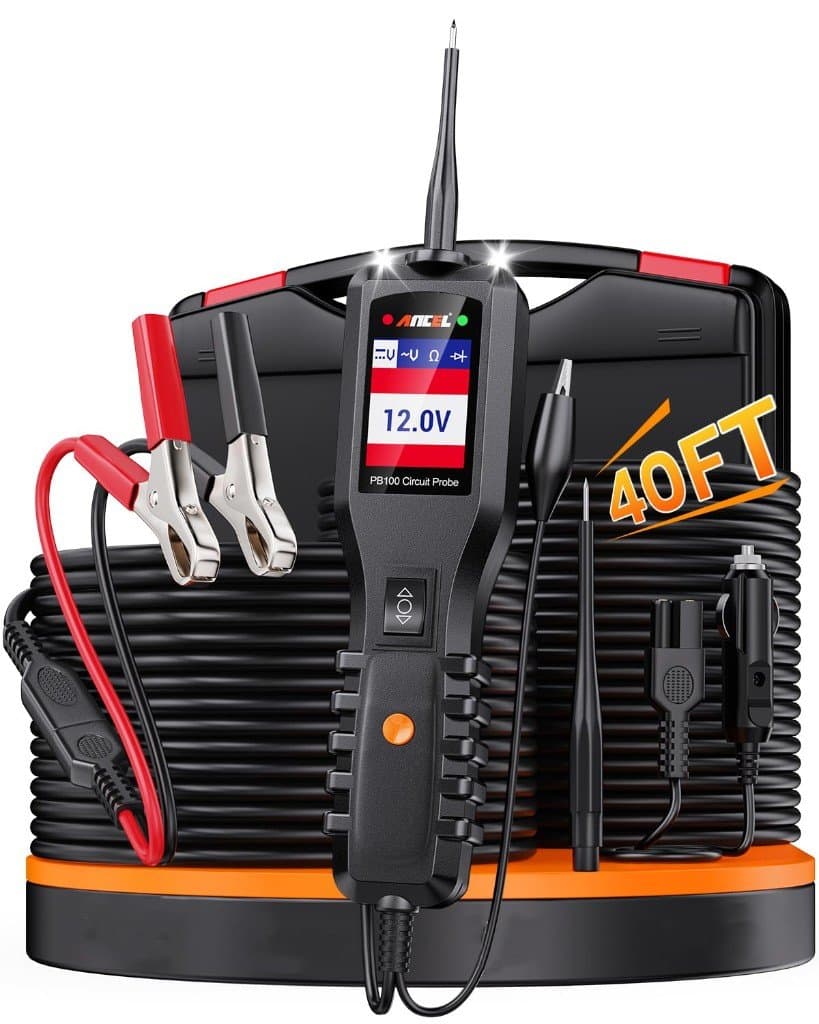
Sometimes a window motor or a fuel pump stops working, and the question becomes: is the motor dead, or is the switch broken? A multimeter can only measure voltage, but a power circuit probe lets you inject battery voltage or ground directly into a component. If we send power straight to the window motor and it rolls up, we know instantly the motor is fine and the issue lies further up the wiring harness.
The Tool We Recommend: PB100 Automotive Power Circuit Probe
It is the driveway version of that test: power or ground at the connector, a clear yes or no on the part, without tearing the dash apart first.
4. The 8-Channel Oscilloscope
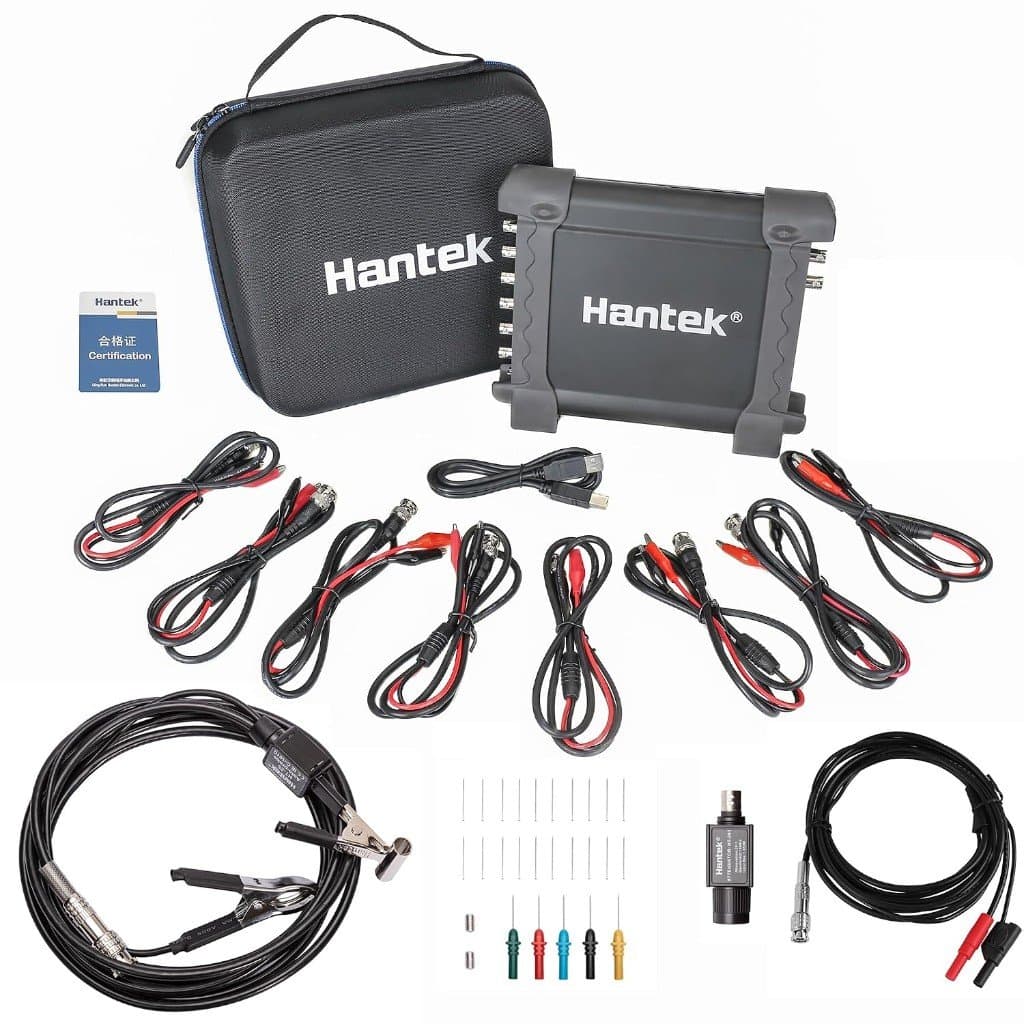
An oscilloscope is essentially an electrical microscope. Some automotive signals, like the pulse of a fuel injector or the reading of a camshaft position sensor, happen in fractions of a millisecond—way too fast for a standard multimeter to catch. The scope graphs these electrical signals on a screen in real-time.
The Tool We Recommend: Hantek1008C Oscilloscope
Eight channels matter. On a V8 you can watch several injectors, coils, or cam/crank sensors at once instead of hopping one probe around and guessing at timing. Overlay those traces and you can see stretch, a dead hole, or a coil that drops out under load.
5. The Open/Short Circuit Tracer
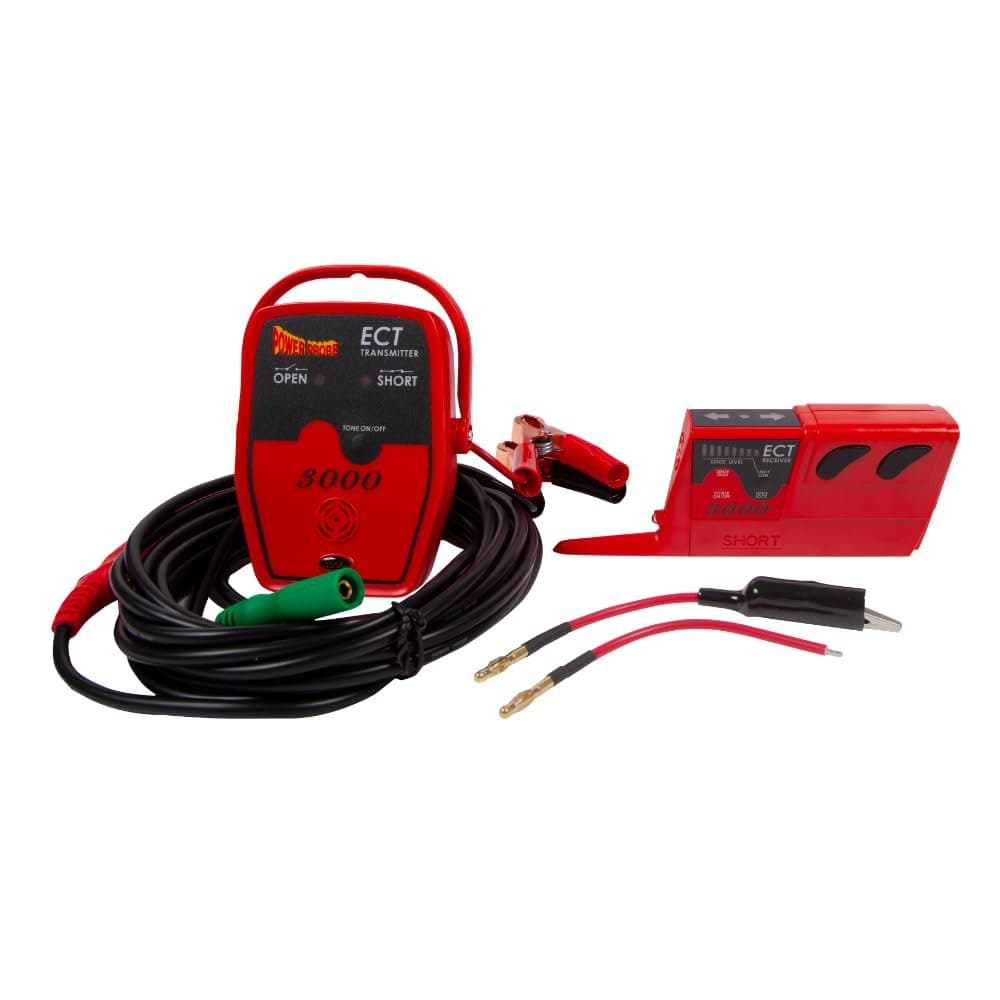
Finding a broken wire hidden inside a thick, taped-up wiring harness used to take hours of tearing an interior apart. We use specialized electronic circuit tracers to locate shorts to ground and open circuits quickly and accurately. You hook the transmitter module to the fuse box, and by running a receiver wand over the exterior of the trim panels and carpets, you can track the radio signal and pinpoint the exact inch where the wire is broken beneath the surface.
The Tool We Recommend: ECT3000B Circuit Tracer for Shorts and Opens
A power probe tells you whether a circuit is live at the end you can reach. The ECT3000B is better for the break you cannot see: it traces the signal along the harness so you cut at the fault instead of peeling the whole interior. That is the difference between "the motor gets power" and "the open is six inches behind this kick panel."