2026-09-11
How to Replace a Wheel Hub Bearing Assembly
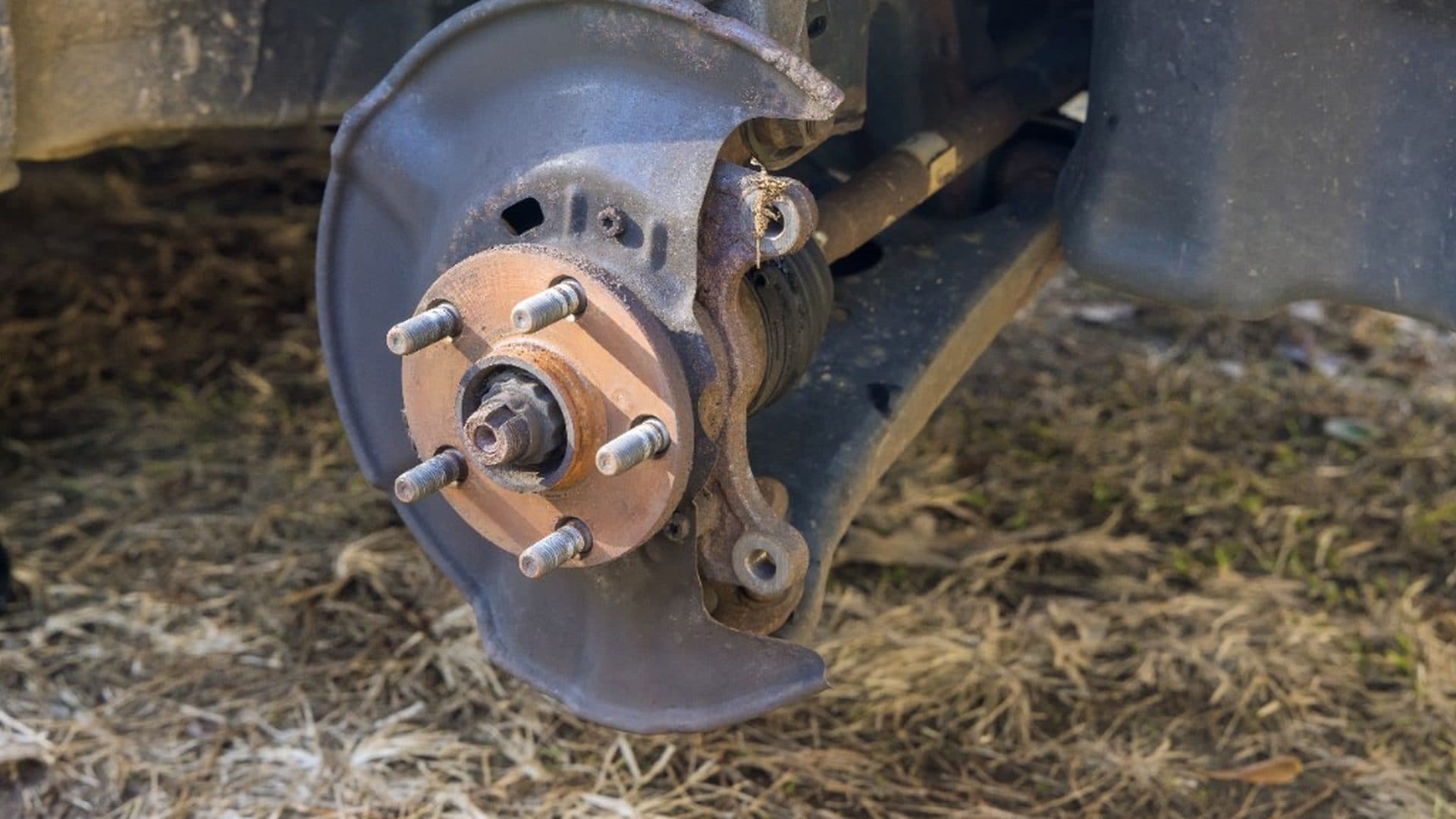
To replace a wheel hub bearing assembly, you must remove the wheel, brake caliper, and rotor to expose the hub. You then disconnect the wheel speed sensor, remove the axle nut if it's a driven wheel, and unbolt the hub assembly from the steering knuckle. Rust and corrosion often seize the hub to the knuckle, requiring a slide hammer or air hammer to break it free. Once removed, you clean the knuckle mating surface, torque the new hub bolts and axle nut to the manufacturer's exact specifications, and reassemble the brakes.
If you only need to replace a press-in wheel bearing instead of a bolt-on hub assembly, that is a different job.
What are the symptoms of a bad wheel hub bearing?
A failing wheel hub bearing usually sounds like an airplane taking off inside your cabin. The noise is a low-pitched hum or growl that gets significantly louder as you speed up.
If the bearing is on the front axle, the pitch will often change when you turn the steering wheel. For example, if you swerve to the right (shifting the vehicle's weight to the left), and the noise gets louder, the left wheel bearing is usually the culprit. You may also feel a vibration in the steering wheel or floorboard, and in severe cases, the ABS or Traction Control light will turn on if the integrated wheel speed sensor fails.
What tools do you need to replace a wheel hub assembly?
Replacing a wheel hub is a heavy-duty job that requires high-torque tools. Trying to do this with a basic 3/8-inch socket set will result in broken tools and a stranded car.
Required Tools for Hub Replacement
| Tool | Purpose |
|---|---|
| 1/2-Inch Breaker Bar (24"+) | Breaking loose the axle nut and hub bolts |
| Axle Nut Socket Set | Removing the large nut securing the CV axle (typically 30mm-36mm) |
| 1/2-Inch Torque Wrench | Torquing the axle nut and hub bolts to exact spec |
| Slide Hammer or Air Hammer | Forcing a rusted/seized hub out of the knuckle |
| Wire Brush & Brake Cleaner | Cleaning the knuckle mating surface before installation |
| Torx/Hex Bit Set | Removing the brake rotor set screws |
How do you replace a bolt-on wheel hub assembly?
You replace a bolt-on wheel hub by stripping the brake components down to the knuckle, removing the axle nut, unbolting the hub, and forcing it out of the rust collar.
The Procedure
- Chock the wheels, break the lug nuts loose, lift the car, and support it securely on jack stands.
- Remove the brake caliper and bracket as one unit. Hang it from the coil spring using a bungee cord or wire hanger. Never let the caliper hang by the rubber brake hose.
- Remove the brake rotor. If it is stuck, apply penetrating fluid around the center hub and tap the "hat" of the rotor with a hammer.
- If it's a driven wheel (front-wheel drive, or rear on a RWD car), use a breaker bar to remove the large center axle nut. Push the CV axle inward slightly to ensure it is not seized in the splines.
- Unplug the ABS wheel speed sensor wire.
- Remove the 3 or 4 bolts securing the hub to the steering knuckle from behind.
- Remove the old hub. If it is rusted into the knuckle, attach a slide hammer to the wheel studs and slam it outward, or use an air hammer to vibrate it loose.
- Thoroughly clean the knuckle opening with a wire brush to remove rust buildup, then install the new hub and route the ABS wire safely.
- Reinstall the hub bolts and axle nut. You must torque these to the exact factory specification.
- Reinstall the rotor, caliper, and wheel.
What are the torque specs for a wheel hub and axle nut?
Torque specifications vary wildly by manufacturer, but hub bolts typically require 60 to 90 ft-lbs, while axle nuts require massive torque, usually between 150 and 250 ft-lbs.
You must look up the exact torque specs for your specific year, make, and model. If you under-torque the axle nut, the wheel bearing will separate and fail prematurely. If you over-torque it, you will crush the bearing internals, resulting in the exact same humming noise within 1,000 miles. Furthermore, many modern axle nuts are "torque-to-yield," meaning they stretch once and must be replaced with a brand-new nut every time they are removed.
How much does a wheel hub replacement cost in Atlanta, GA?
In the Atlanta metro area in 2026, you can expect to pay between $350 and $650 per wheel at a professional repair shop, depending on the make and model. The labor time for a bolt-on hub assembly is typically billed at 1.0 to 1.5 hours per side.
If you buy the parts yourself at retail, a quality aftermarket hub assembly (like MOOG, SKF, or Timken) costs between $100 and $200. If you run into a seized hub in your driveway and need a mobile mechanic, Road Wrencher can come out with the heavy-duty air tools, extract the seized hub, and bolt up your new parts for a flat labor fee.
FAQ
Can you drive on a bad wheel hub bearing?
You can drive short distances on a humming wheel bearing, but it is highly dangerous to ignore. A severely worn bearing can seize at highway speeds or cause the entire wheel and tire assembly to separate from the vehicle.
Should I replace both wheel hubs at the same time?
Unlike brakes, you do not have to replace wheel bearings in pairs. If the right side fails but the left side is quiet and tight, you only need to replace the right side. However, because both bearings have endured the exact same mileage and road conditions, it is common for the opposite side to fail shortly after.
Why does my new wheel bearing still make noise?
If a brand-new wheel bearing hums immediately after installation, the axle nut was likely improperly torqued, crushing the bearing internals. It is also possible that the noise is actually coming from "cupped" tires or a bad bearing on the opposite side of the car.
Do you need an alignment after replacing a wheel hub?
No. Replacing a bolt-on wheel hub does not alter the vehicle's suspension geometry, toe, or camber. Unless you replaced a tie rod or control arm at the same time, an alignment is not required.
What should I do if my wheel hub is rusted and won't come out?
If the hub is welded to the knuckle by rust and a sledgehammer isn't working, text a photo to (770) 686-7955. Road Wrencher carries commercial-grade air hammers and slide hammers to extract seized Atlanta rust-belt hubs right in your driveway.